
Why Global Sourcing Has Become a Strategic Advantage in Commercial Fitouts
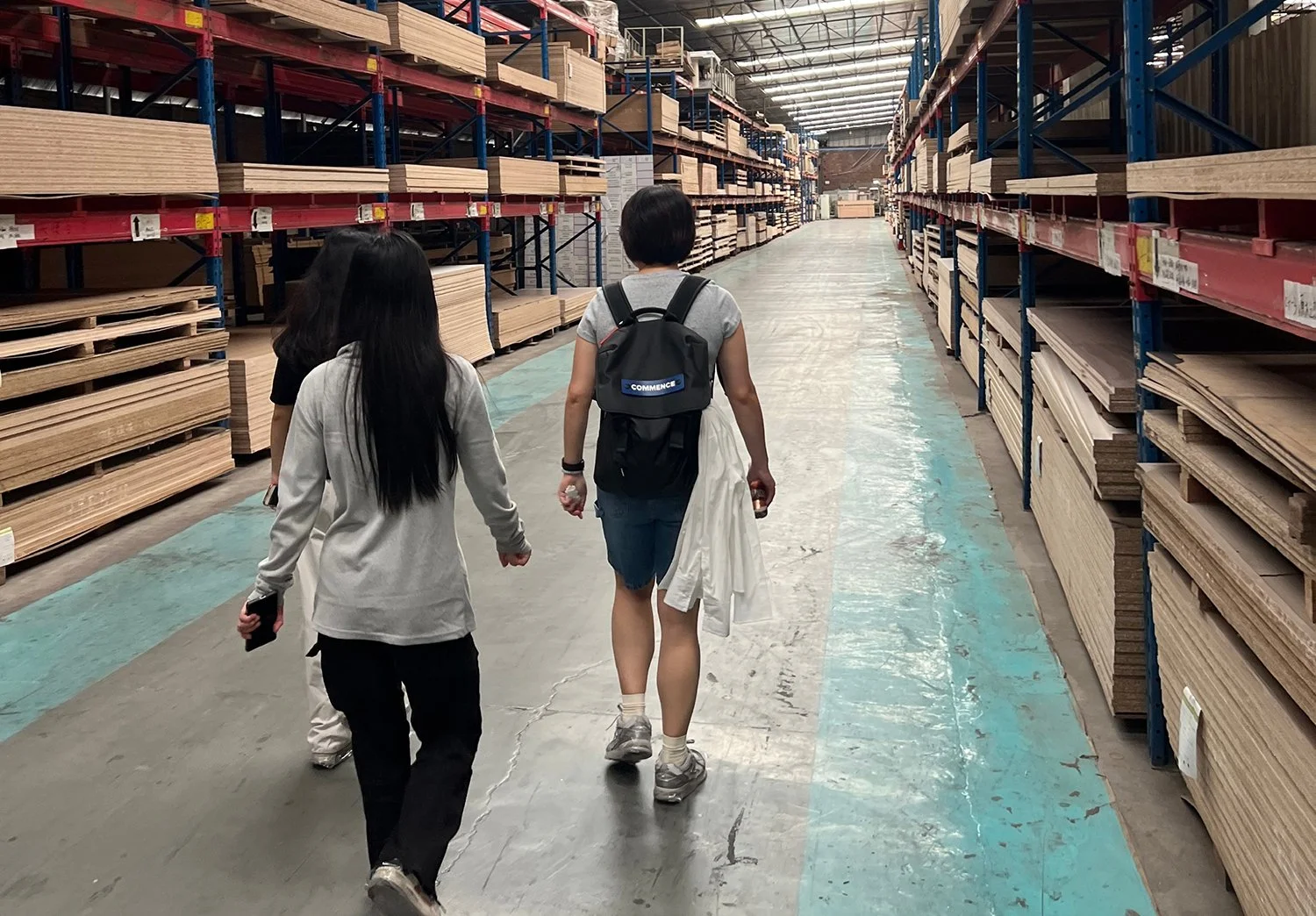
For many years, the conversation around global sourcing centred on one thing: cost. Businesses looked offshore primarily as a way to reduce manufacturing expenses, often accepting longer lead times or additional logistics in exchange for lower prices. Today, that conversation has changed dramatically. Global sourcing is no longer simply about finding the cheapest manufacturer. It has become a strategic decision that can influence project budgets, delivery programmes, product quality and ultimately the success of an entire commercial fitout.
Across Australia, Retailers, Hospitality operators and Commercial tenants are facing a challenging economic environment. Construction costs remain high, procurement timelines continue to fluctuate and businesses are under increasing pressure to maximise value from every dollar invested in their projects. At the same time, expectations around quality have not diminished. Clients still expect beautifully executed spaces, premium finishes and a seamless customer experience. Meeting both commercial and aesthetic objectives requires a procurement strategy that is more considered than ever before.
The misconception is that global sourcing simply means importing products. In reality, successful sourcing is about identifying the most appropriate manufacturing solution for each component of a project. Some products are best manufactured locally, while others can be produced internationally to the same standard with greater efficiencies in cost, production capacity or lead time. The real value lies in understanding where those opportunities exist and managing the process carefully from concept through to installation.
Moving beyond the local versus imported debate
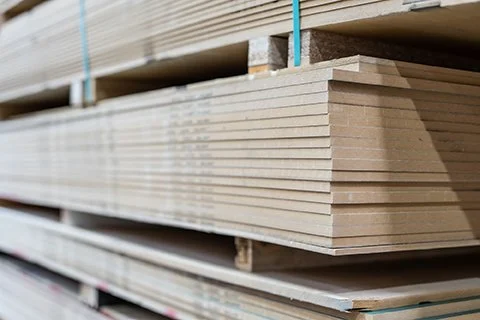
One of the biggest shifts in the Commercial fitout industry has been the move away from viewing local and imported manufacturing as competing options. Increasingly, the strongest projects are those that leverage the strengths of both.
Australian manufacturers continue to play a vital role in the industry, particularly where flexibility, shorter production runs or rapid turnaround are required. Local suppliers also provide valuable technical expertise and close collaboration throughout a project. However, international manufacturing has evolved significantly over the past decade. Modern facilities are producing highly sophisticated architectural components using advanced machinery, skilled tradespeople and stringent quality systems that rival those found anywhere in the world.
For project teams, the question is no longer whether products should be manufactured locally or overseas. Instead, it has become a matter of determining which
manufacturing pathway is best suited to each element of the fitout. A reception desk may be locally produced, while custom joinery, feature metalwork or specialist finishes may be better suited to international manufacturing. By taking a strategic approach rather than an all-or-nothing approach, projects can achieve the right balance between quality, programme and budget.
Procurement is no longer just purchasing
Many people outside the construction industry assume sourcing simply involves obtaining quotations and placing orders. In reality, procurement has become one of the most technically demanding aspects of delivering a successful fitout.
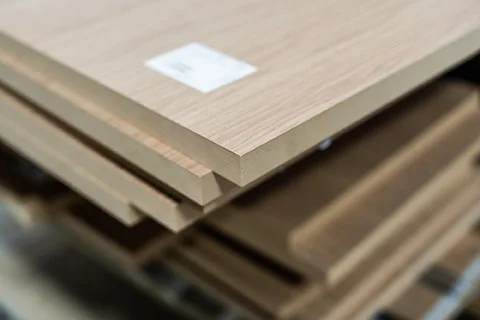
Every product introduced into a project has implications for construction sequencing, logistics, installation and programme. Shop drawings need to be accurate. Materials must be specified correctly. Finishes need to match approved samples. Manufacturing programmes must align with construction milestones, while freight and customs processes need to be carefully coordinated to ensure products arrive when required.
A delay in the manufacture of one item can have a flow-on effect across multiple trades onsite. Likewise, a minor inconsistency in colour, finish or detailing can create significant rework and additional costs. Effective sourcing therefore requires far more than negotiating prices. It requires detailed planning, technical understanding and disciplined project coordination from the very beginning.
Why trusted manufacturing relationships matter
Finding a manufacturer has never been easier. Building a relationship with one that consistently delivers to the standard required for premium commercial fitouts is another matter entirely.
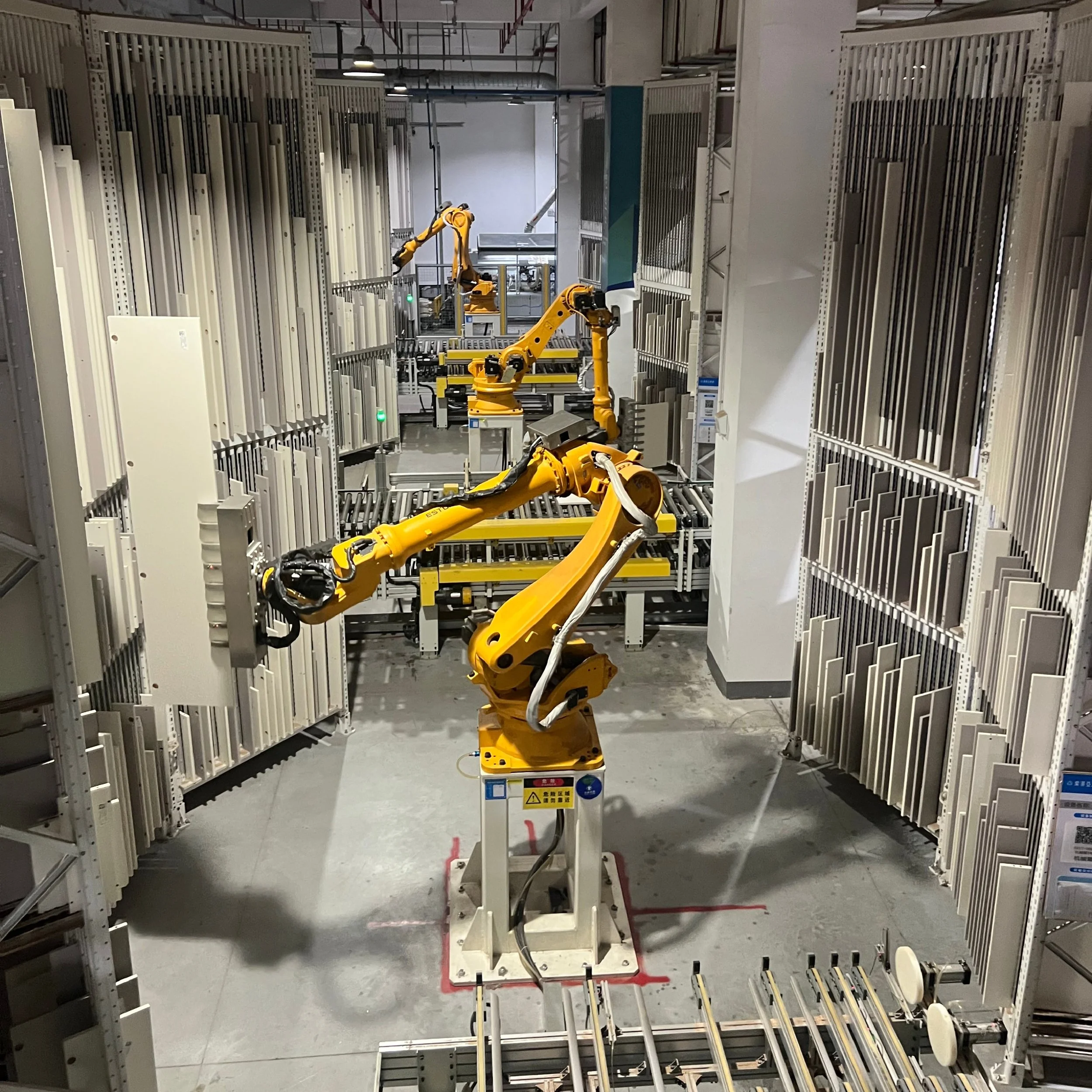
Successful global sourcing relies on confidence. Confidence that products will be manufactured to specification. Confidence that communication will be clear throughout production. Confidence that issues will be identified early and resolved before they impact programme or quality. These outcomes are rarely achieved by moving from one supplier to another based purely on price.
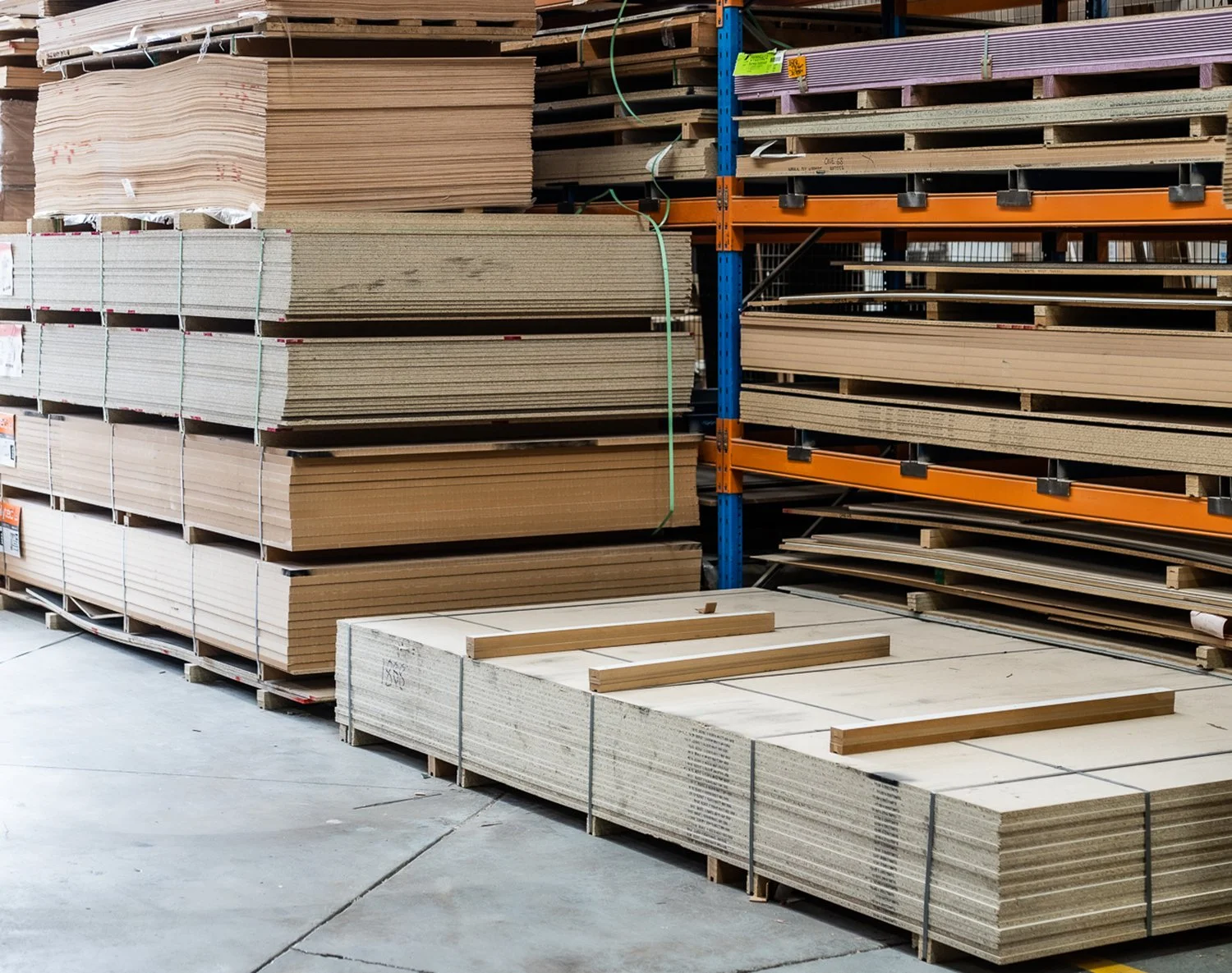
ONE68 has deliberately developed a trusted relationship with a dedicated manufacturing partner in China that aligns with the quality expectations of our clients. Rather than managing multiple factories producing different components, working closely with a single manufacturing partner creates consistency across production methods, quality standards and communication. It also allows a genuine understanding of our expectations to develop over time, resulting in more reliable outcomes for every project.
This approach has become particularly valuable as clients seek greater certainty around budgets. By partnering with a premium yet cost-effective manufacturer, ONE68
is able to offer commercially competitive solutions without compromising the level of quality expected across Retail, Hospitality and Commercial environments.
The importance of having someone on the ground
International manufacturing presents enormous opportunities, but only when it is managed effectively. Distance can create challenges around communication, quality assurance and production oversight, particularly when projects involve bespoke components with exacting specifications.
For this reason, ONE68's sourcing capability is supported by a dedicated Import Officer based in China. Working directly with our manufacturing partner, they oversee production, coordinate communication between Australia and the factory, monitor manufacturing progress and help ensure every product meets the agreed quality standards before it leaves the factory.
Having a dedicated representative on the ground also allows potential issues to be identified and addressed during production, rather than after products have arrived in Australia. It creates a far more responsive manufacturing process, strengthens relationships with our factory team and provides an additional layer of confidence for clients who rely on programme certainty.
Quality begins long before manufacturing
One of the greatest misconceptions about imported products is that quality control takes place at the end of production. In reality, quality is established long before manufacturing even begins.
Every successful project starts with detailed documentation, accurate shop drawings and clear technical specifications prepared by the project team. Once these documents are translated and issued to the factory, production is supported through ongoing communication, factory inspections and quality assurance reviews at key milestones. Rather than relying solely on a final inspection before shipment, quality is monitored throughout the manufacturing process to ensure consistency across materials, finishes and workmanship.
This disciplined approach significantly reduces project risk and provides confidence that products arriving on site are ready for installation. It also enables clients to maintain consistency across multiple locations, an increasingly important consideration for national Retail brands and Commercial organisations delivering projects across Australia.
Global sourcing extends far beyond joinery
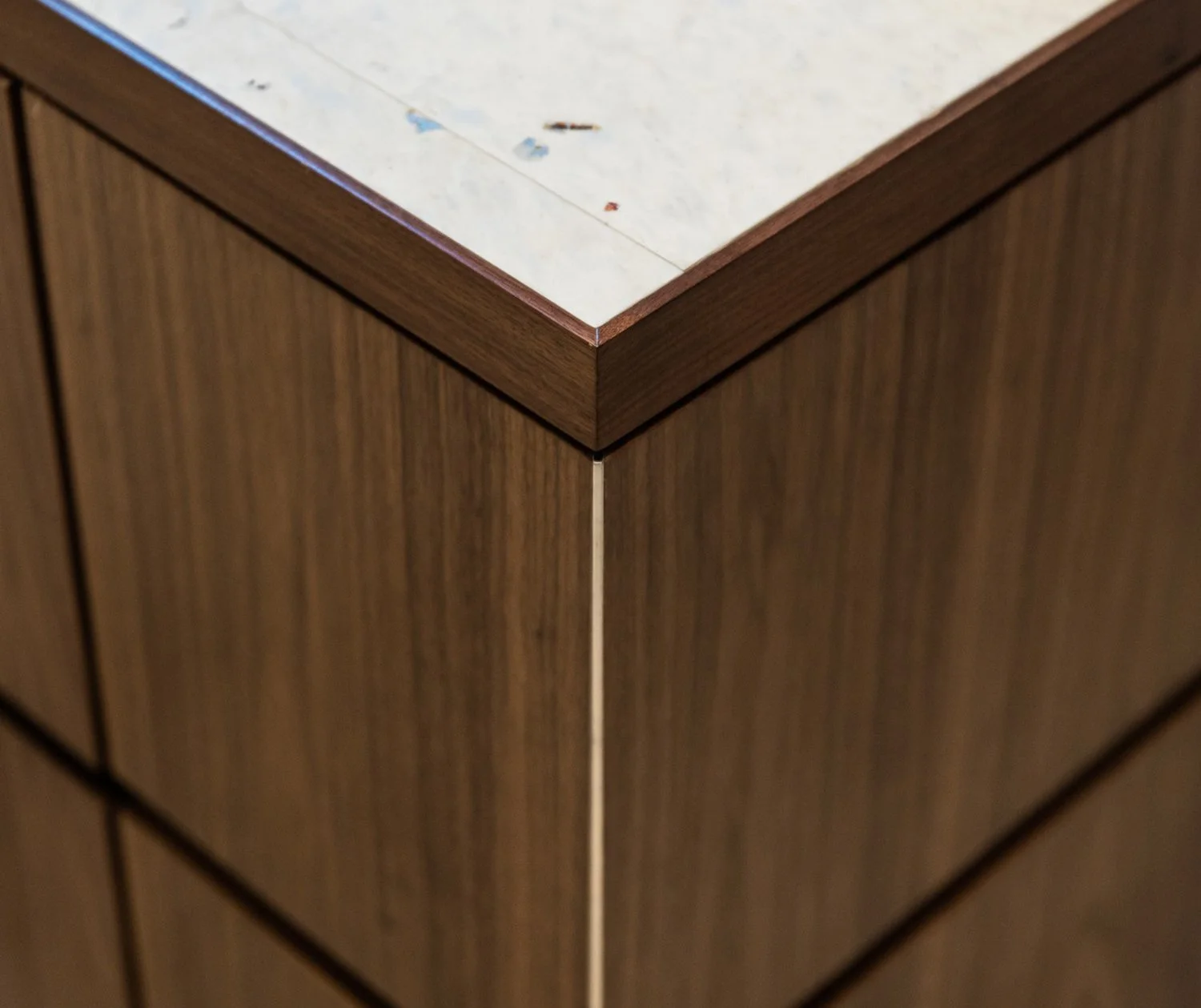
While imported joinery remains an important part of ONE68's capability, today's projects require a much broader sourcing strategy. Commercial environments are made
up of hundreds of individual components, many of which can benefit from carefully managed international manufacturing.
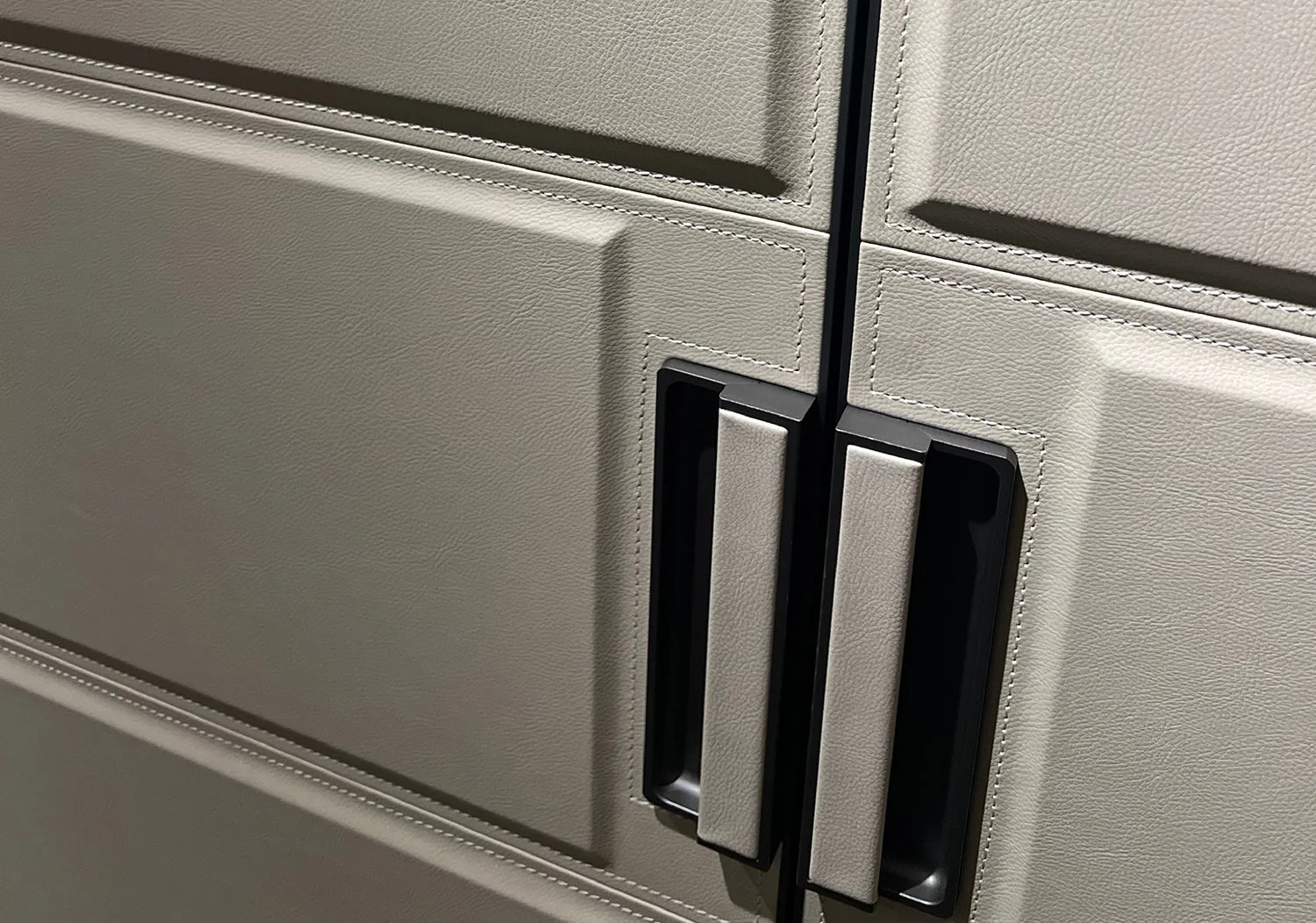
Through our dedicated manufacturing partner, ONE68 sources a diverse range of custom fitout elements including architectural metalwork, acrylic fabrication, signage, tiles, flooring and lighting. Rather than managing these products independently, they are coordinated as part of the overall project, ensuring finishes, detailing and delivery programmes remain aligned.
Complementing this international capability are our trusted Australian partnerships with JM, specialists in commercial furniture solutions, and Interglo Lighting, experts in commercial lighting supply and technical advice. This combination of local expertise and international manufacturing allows ONE68 to tailor the sourcing strategy to the specific needs of each project, rather than forcing every project into the same procurement model.
Looking beyond the purchase price
Ultimately, the value of global sourcing is not measured by the cost of an individual product. It is measured by the success of the completed project.
An effective sourcing strategy reduces procurement risk, improves programme certainty, maintains quality standards and provides clients with greater flexibility when balancing commercial objectives against design aspirations. It is a process built on planning, communication, technical expertise and trusted relationships, not simply purchasing products from overseas.
As commercial fitout projects continue to become more complex, sourcing has evolved into a specialist capability in its own right. With an experienced Melbourne team, a dedicated Import Officer based in China and a premium manufacturing partner producing high-quality fitout components, ONE68 provides clients with an integrated sourcing solution that extends well beyond procurement. It is a considered approach that enables projects to achieve the right balance of quality, value and performance, ensuring every element contributes to a successful built outcome.