
Hospitality Fitout Trends Shaping Australia's Dining & Social Spaces
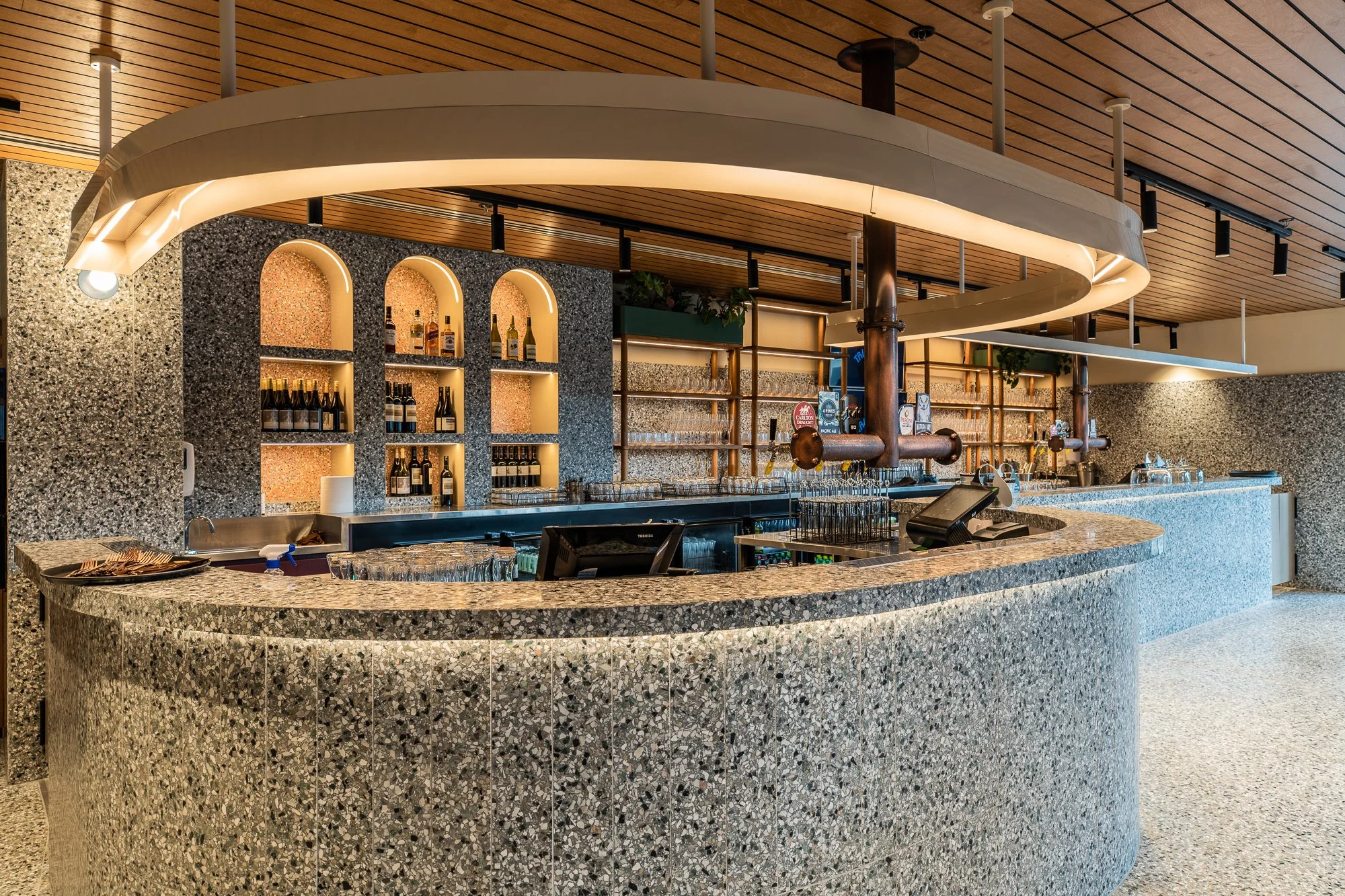
Hospitality has always been one of the fastest evolving sectors in commercial construction. Customer expectations change, dining habits shift and operators continually adapt their venues to remain competitive in an increasingly crowded market. A successful hospitality venue is no longer defined solely by its menu or service. The physical environment has become an integral part of the overall experience, influencing everything from first impressions and dwell time through to customer loyalty and social media exposure.
The past few years have accelerated this evolution. Rising construction costs, changing consumer behaviours, labour shortages and increasing operational expenses have encouraged venue owners to think differently about how their spaces are designed and delivered. Hospitality Fitouts are now expected to work harder than ever before, balancing aesthetics with durability, operational efficiency and long-term commercial performance.
While design trends naturally evolve over time, the most significant changes influencing Hospitality Fitouts today extend well beyond colours, finishes or furniture selections. They reflect broader shifts in the way people socialise, dine and interact with hospitality venues.
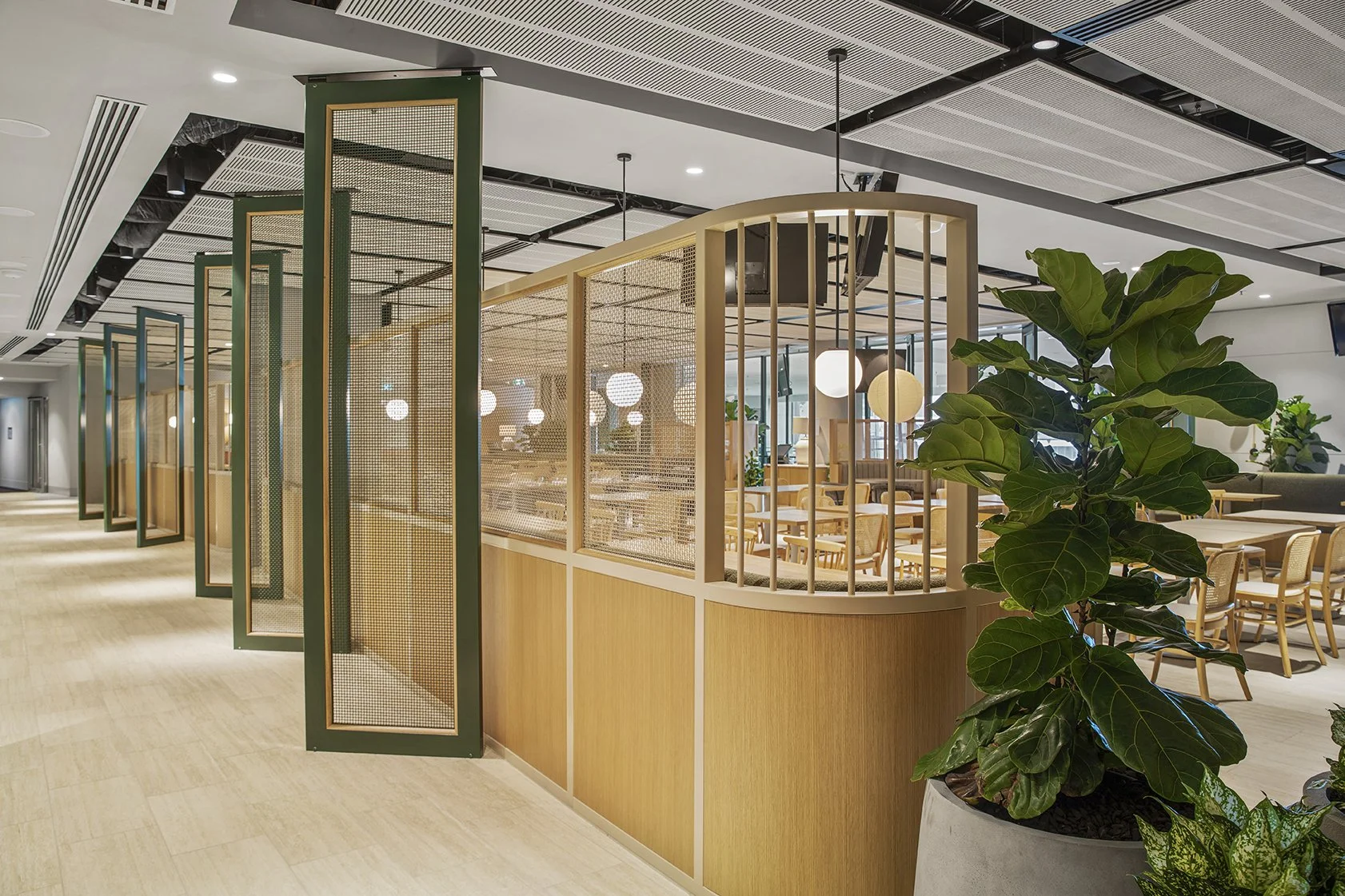
Experience Has Become the Product
Perhaps the most significant trend shaping the hospitality industry is the growing importance of experience. While exceptional food and beverages remain essential, customers increasingly choose venues that offer an atmosphere worth returning for.
Whether it's an intimate wine bar, a premium restaurant, a boutique hotel or a vibrant brewery, successful hospitality venues tell a story through their physical environment. Lighting, acoustics, textures, materials and spatial planning all work together to create a mood that cannot be replicated elsewhere.
This is particularly important in an era where social media has become a powerful marketing tool. Customers are naturally drawn to spaces that feel memorable, distinctive and visually engaging. However, successful Hospitality Fitouts go beyond creating an "Instagrammable" moment. They deliver environments that encourage people to stay longer, spend more and return again.
Creating that balance requires careful consideration of both aesthetics and functionality, ensuring beautiful spaces continue to perform under the demands of daily service.
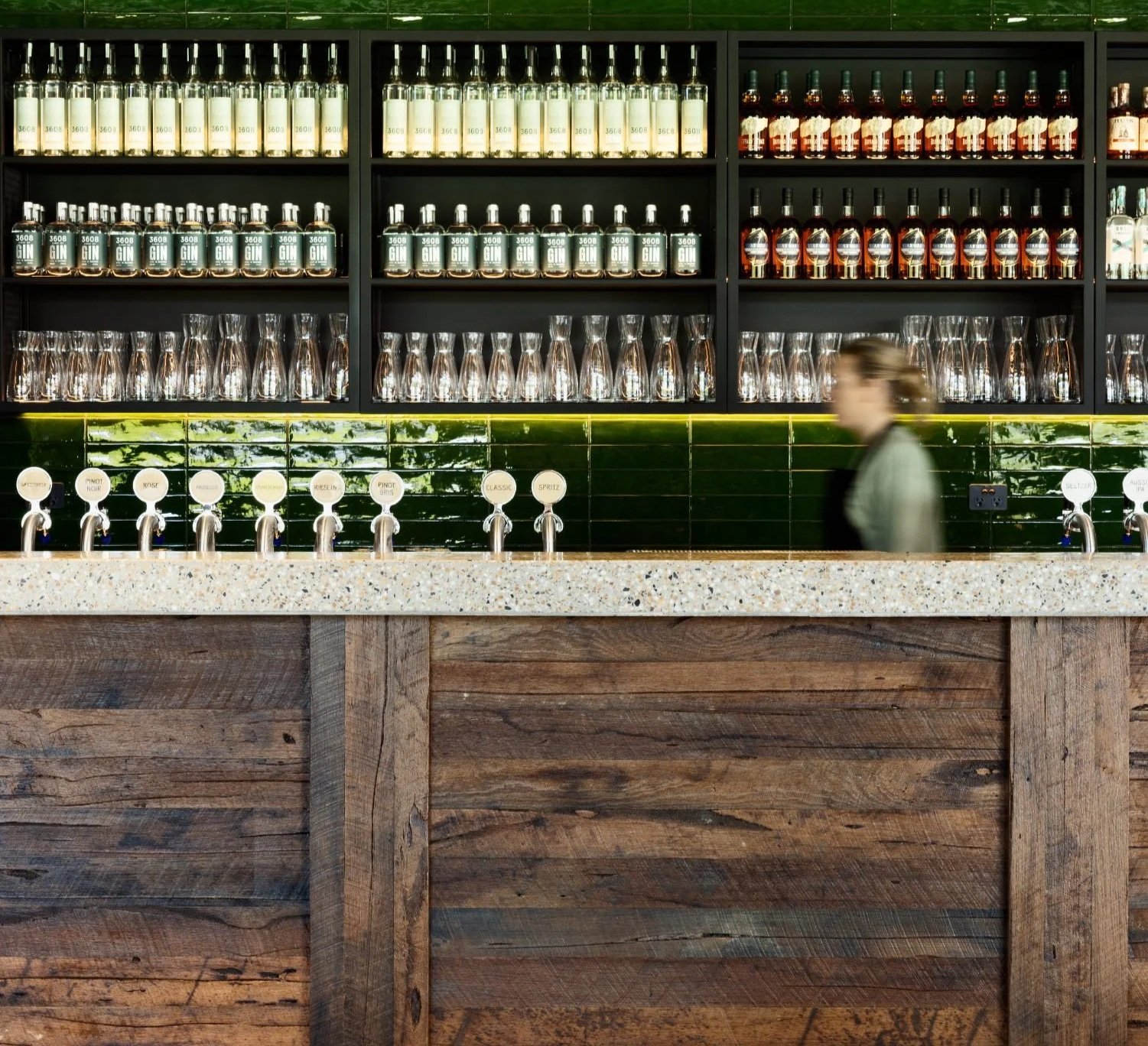
Flexibility is More Important Than Ever
Hospitality businesses are increasingly looking for venues that can adapt throughout the day and across different trading periods.
Many cafés now transition into wine bars during the evening. Restaurants incorporate private dining areas that can be opened or enclosed depending on booking requirements. Hotels are creating flexible communal spaces that accommodate everything from casual meetings through to evening events.
This flexibility allows operators to maximise revenue from the same footprint while responding to changing customer demands.
From a construction perspective, this means Hospitality Fitouts are being designed with adaptable layouts, movable furniture, carefully planned services and lighting schemes that support multiple operating modes without compromising the overall customer experience.
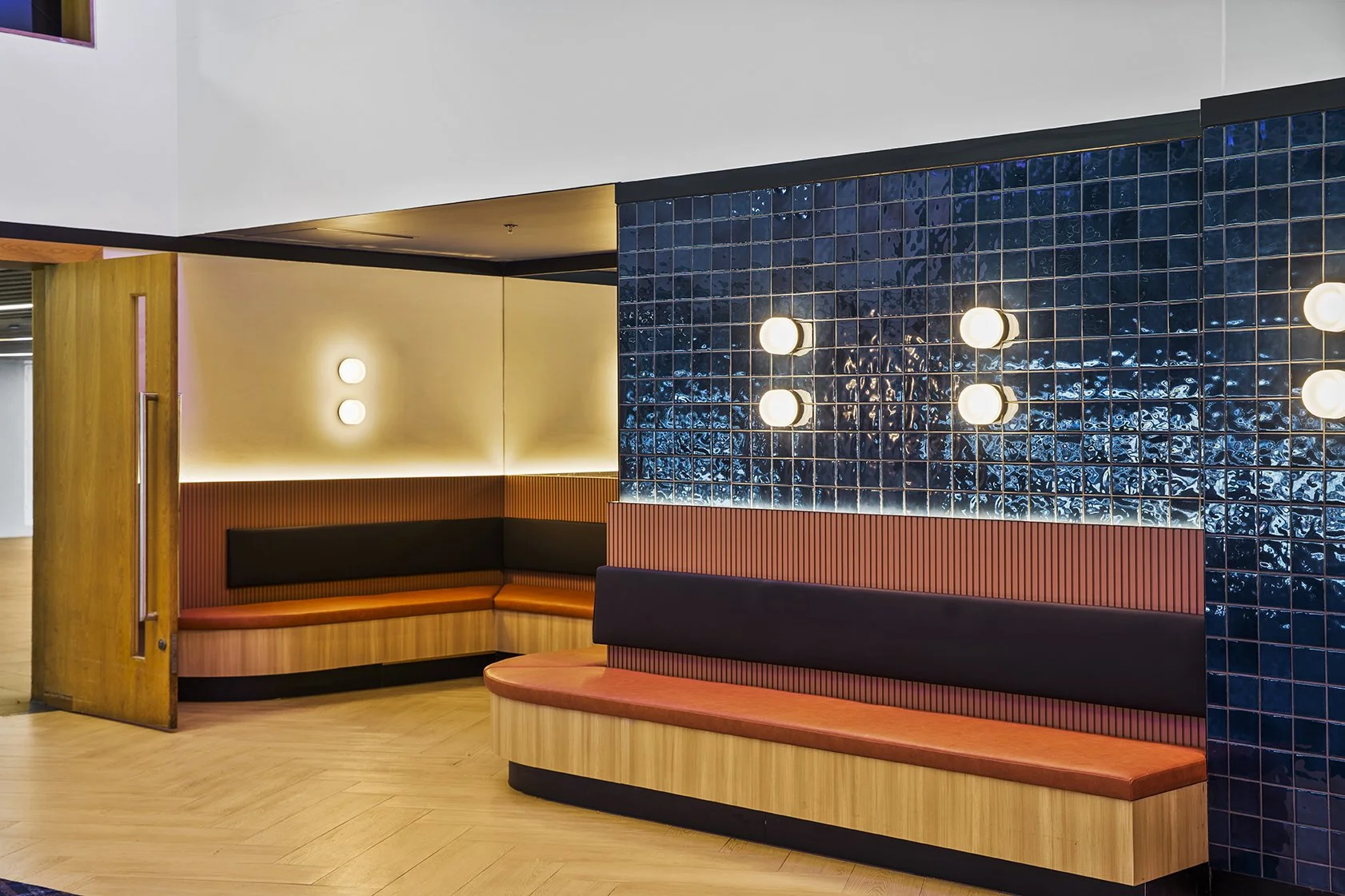
The Front of House is Only Half the Story
Customers naturally judge a venue by what they see. Behind the scenes, however, operational efficiency often determines its long-term success.
One of the most important trends influencing Hospitality Fitouts is the growing focus on back-of-house functionality. Kitchens, storage areas, preparation spaces, staff facilities and service circulation are being designed with the same level of consideration as customer-facing areas.
A beautifully designed restaurant loses value if staff movement is inefficient, food service is slowed by poor planning or storage has been overlooked.
The strongest Hospitality Fitouts recognise that operational efficiency and customer experience are closely connected. Well-planned back-of-house spaces improve workflow, reduce staff fatigue and ultimately contribute to better service for every guest.
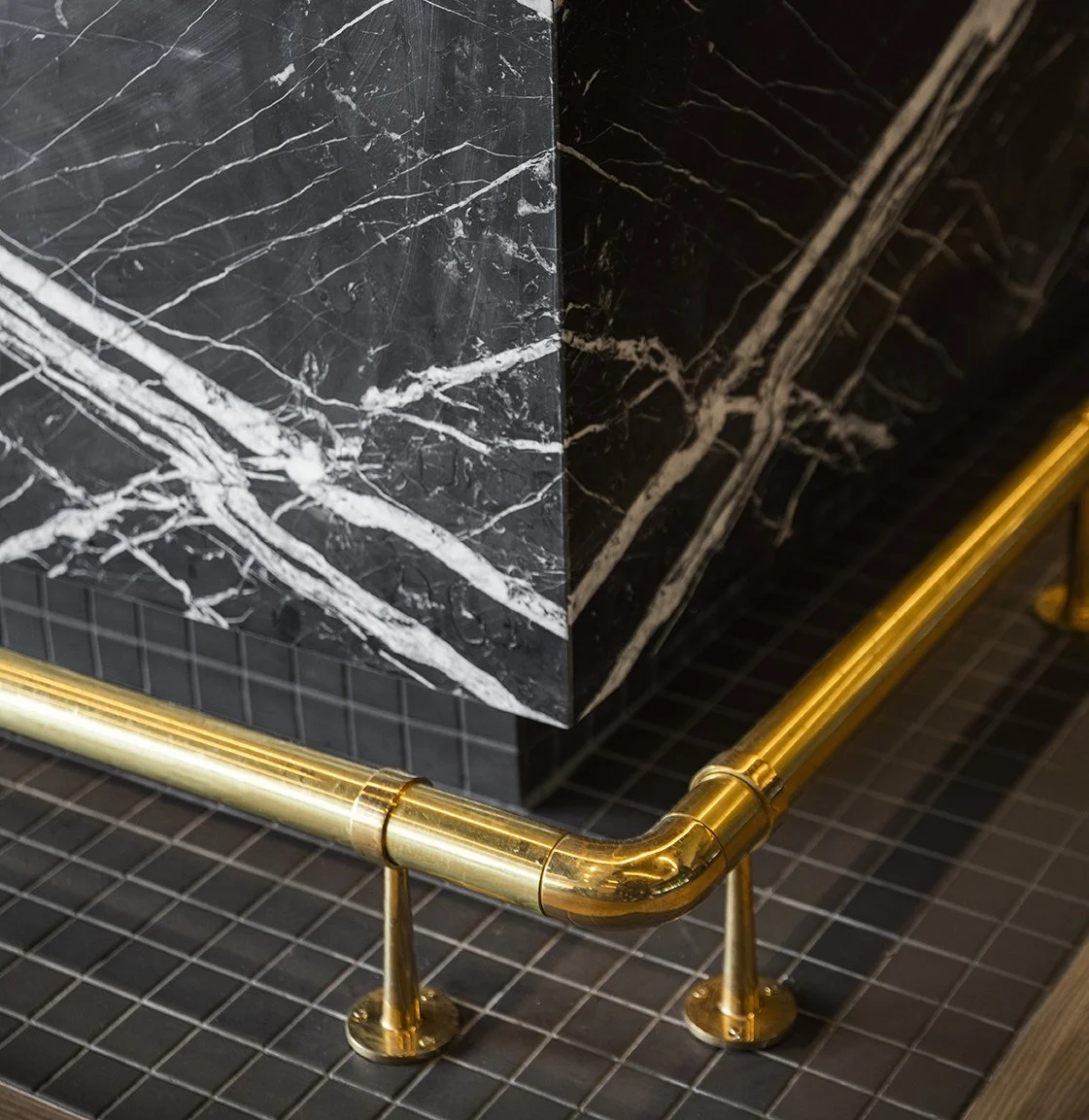
Durability is Becoming a Design Priority
Hospitality environments experience some of the highest levels of daily wear within the commercial sector.
Thousands of customers, frequent cleaning, food preparation, moving furniture and constant activity place significant demands on finishes and fixtures. As a result, operators are placing greater emphasis on selecting materials that not only look exceptional but continue to perform over many years.
Natural stone, architectural metals, commercial-grade timber finishes and high-performance flooring remain popular choices because they combine visual appeal with long-term durability.
The challenge lies in selecting materials that age gracefully while maintaining the premium appearance expected by customers.
This is where experience becomes particularly valuable, as material performance often has a far greater influence on the long-term success of a venue than initial aesthetics alone.
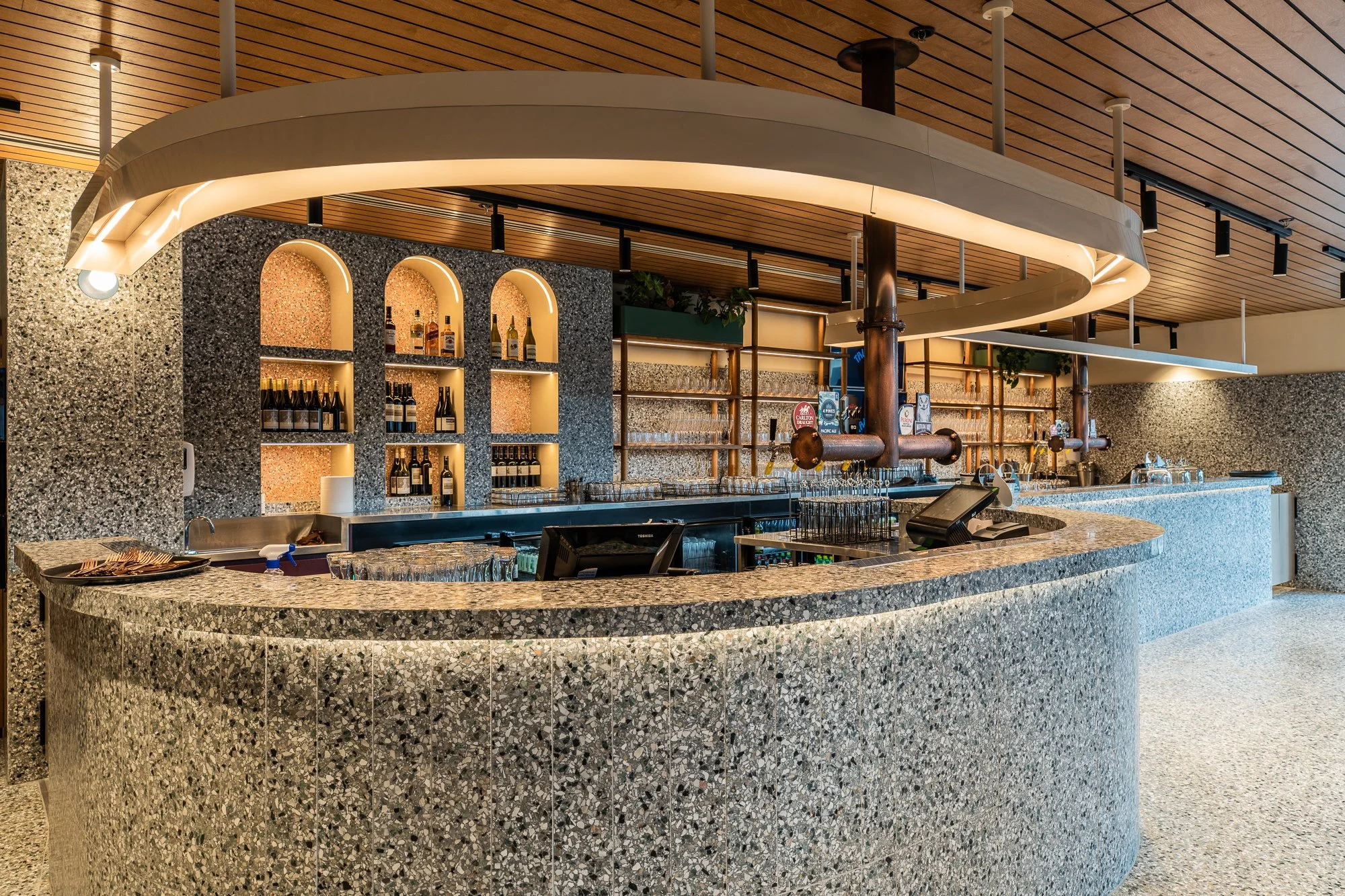
Thoughtful Lighting is Transforming Hospitality Spaces
Lighting has evolved from being a purely functional element into one of the defining characteristics of successful hospitality design.
A carefully considered lighting strategy influences how customers perceive food, beverages and interiors while helping establish the atmosphere of a venue throughout different times of the day.
Many hospitality operators are now incorporating layered lighting schemes that combine architectural lighting, feature fittings, accent lighting and concealed illumination to create depth and warmth throughout the space.
This approach also provides greater operational flexibility, allowing venues to transition naturally from daytime trading through to evening service.
When integrated successfully, lighting becomes one of the most powerful tools for shaping the customer experience without drawing attention to itself.
Thoughtful Lighting is Transforming Hospitality Spaces
Lighting has evolved from being a purely functional element into one of the defining characteristics of successful hospitality design.
A carefully considered lighting strategy influences how customers perceive food, beverages and interiors while helping establish the atmosphere of a venue throughout different times of the day.
Many hospitality operators are now incorporating layered lighting schemes that combine architectural lighting, feature fittings, accent lighting and concealed illumination to create depth and warmth throughout the space.
This approach also provides greater operational flexibility, allowing venues to transition naturally from daytime trading through to evening service.
When integrated successfully, lighting becomes one of the most powerful tools for shaping the customer experience without drawing attention to itself.
Project Management Remains the Difference Between Good and Exceptional
Hospitality projects often involve extremely tight construction programmes, particularly when existing venues are being refurbished or new operators are working towards fixed opening dates.
Successfully coordinating designers, consultants, specialist trades, suppliers, landlords and approval authorities requires disciplined project management from the earliest planning stages.
Many of the challenges associated with Hospitality Fitouts occur long before construction begins. Procurement, programming, authority approvals, manufacturing coordination and logistics all influence whether a venue opens on schedule.
While customers only experience the finished venue, exceptional project management is often the reason they experience it on opening day.
Creating Hospitality Venues That Stand the Test of Time
Hospitality trends will continue to evolve, but one principle remains unchanged. Successful venues are those that create memorable experiences while supporting the practical realities of operating a busy business.
A Hospitality Fitout should not simply reflect current design trends. It should strengthen the brand, improve operational efficiency and continue delivering value for years after the doors open.
At ONE68, we understand that every hospitality project represents more than a construction programme. It is an investment in a business, a brand and the people who experience it every day. Through thoughtful planning, strategic sourcing, disciplined project management and exceptional craftsmanship, we help bring hospitality environments to life that are designed not only for today's customers, but for tomorrow's opportunities.