
A Commercial Fitout is one of the most significant investments a business can make. Whether creating a new workplace, opening a flagship retail store or transforming a hospitality venue, every project represents an opportunity to strengthen a brand, improve operations and create an environment that supports long-term success. Yet despite the best intentions, many fitout projects exceed their original budget, fall behind programme or require costly changes during construction.
While rising material prices and labour costs are often blamed, the reality is that many of the most expensive issues are entirely avoidable. They are the hidden costs that rarely appear in the original quotation but can quickly impact the overall success of a project if they are not identified and managed early.
The good news is that these risks can be significantly reduced through careful planning, realistic budgeting and experienced Project Management. Understanding where hidden costs typically arise allows businesses to make more informed decisions and helps ensure their Commercial Fitout is delivered on time, on budget and to the expected standard.

The Lowest Price Doesn't Always Deliver the Lowest Cost
When reviewing construction tenders, it can be tempting to compare contractors on price alone. While every business wants to maximise value, the lowest quotation is not always the most economical option once the project is complete.
There are many reasons why one contractor's price may differ from another's. Some quotations include more detailed allowances for site conditions, authority requirements or specialist trades, while others may rely on assumptions that later become variations. In some cases, contractors simply interpret documentation differently, resulting in important items being omitted from the original pricing.
What initially appears to be a saving can quickly disappear if additional costs begin to emerge throughout construction. Variations, delays and rework often have a far greater impact on the final project cost than the difference between competing tenders.
A comprehensive quotation supported by transparent assumptions, realistic allowances and experienced Project Management is often a far better indicator of value than the lowest figure on the page.
Poor Documentation Creates Expensive Problems
One of the biggest contributors to budget overruns occurs long before construction begins.
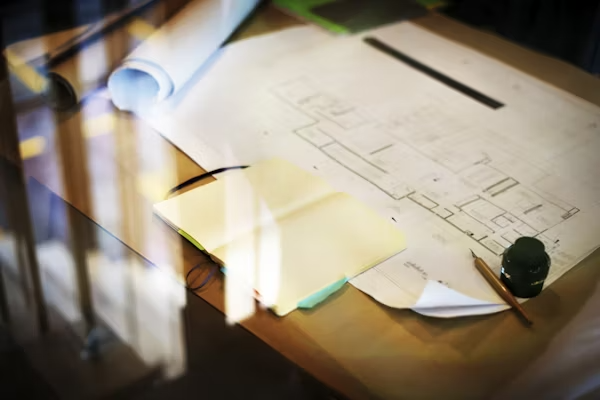
Incomplete documentation, unresolved design details or inconsistent consultant information can create uncertainty during pricing and construction. If builders, suppliers or subcontractors are forced to make assumptions because information is missing, those assumptions may not align with the client's expectations.
As construction progresses, these issues often result in design changes, additional work and delays while revised documentation is prepared and approved.
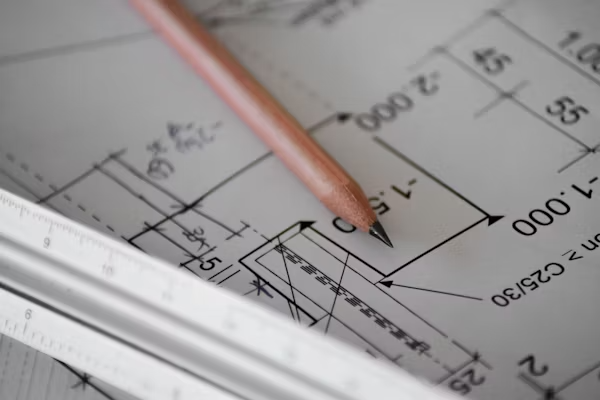
Investing additional time during the design and documentation phase may feel like it slows the project down, but it almost always reduces costs later. Well-developed drawings, coordinated consultant information and clearly documented specifications provide greater pricing accuracy, minimise uncertainty and reduce the likelihood of costly variations once work has commenced.
Variations Are Sometimes Unavoidable, But They Shouldn't Become the Norm
Changes during construction are common. Businesses evolve, opportunities arise and sometimes design improvements are identified after work has commenced.
However, frequent or poorly managed variations can significantly affect both programme and budget.
Every variation has a ripple effect. Additional materials may need to be ordered. Manufacturing programmes may change. Specialist trades may need to return to site. Completed work may require modification before new work can proceed. Even relatively minor changes can create unexpected costs that extend well beyond the variation itself.
While some variations are inevitable, the number of changes can be greatly reduced by making key decisions early, thoroughly reviewing documentation before construction begins and maintaining clear communication throughout the project.

Procurement Delays Affect More Than Product Delivery
Modern Commercial Fitouts often involve products sourced from multiple manufacturers across Australia and internationally. Joinery, furniture, lighting, architectural metalwork, flooring and specialist finishes all have different manufacturing and delivery timeframes.
If procurement begins too late or lead times are underestimated, the impact can extend well beyond delayed product deliveries.
Installation programmes may need to be resequenced. Trades may be unable to complete their work. Temporary storage may be required. Opening dates may be affected. Labour costs can increase as contractors return to site at different times to complete unfinished work.
Effective procurement is therefore much more than ordering products. It requires careful planning, ongoing supplier communication and detailed programme management to ensure materials arrive exactly when they are needed.
Programme Changes Can Quickly Escalate Costs
Construction programmes are carefully developed to ensure each stage of a project flows efficiently into the next. When one activity is delayed, the effects often extend across multiple trades and suppliers.
For example, a delay in completing base building works may postpone joinery installation. This can affect electrical works, glazing, flooring, painting and final commissioning. The longer these delays continue, the greater the potential impact on labour availability, subcontractor scheduling and overall project costs.
Maintaining programme certainty requires constant monitoring throughout the project. Identifying potential risks early and responding proactively is often the difference between a minor adjustment and a significant delay.
Quality Should Never Be Value Engineered Out
When budgets become tight, there is often pressure to reduce costs by selecting alternative materials or simplifying construction details. While thoughtful value engineering can create efficiencies, reducing quality simply to achieve a lower price often proves to be a false economy.
Materials that deteriorate more quickly, finishes that require earlier replacement or products that fail to meet the operational demands of the space can increase maintenance costs and shorten the lifespan of the fitout.
The objective should always be to achieve the greatest long-term value rather than the lowest upfront cost. Sometimes this means investing slightly more in key components that will continue to perform well for many years after construction has been completed.
Project Management Is an Investment, Not an Overhead
Perhaps the biggest misconception surrounding Commercial Fitouts is that Project Management simply involves supervising construction.
In reality, experienced Project Management influences almost every aspect of a successful project.
It begins during planning and continues through design coordination, procurement, budgeting, programming, supplier management, authority approvals, quality assurance and final handover. A Project Manager is constantly identifying potential risks before
they become problems, coordinating multiple stakeholders and ensuring hundreds of individual tasks remain aligned with the overall programme.
Much of this work happens behind the scenes and is rarely visible to clients, yet it often delivers the greatest value by preventing costly mistakes before they occur.
At ONE68, Project Management sits at the centre of every Commercial Fitout we deliver. From coordinating consultants and specialist trades through to managing procurement, logistics and programme, our role is to bring every moving part together while maintaining quality, communication and accountability throughout the project.

Planning for Success
No Commercial Fitout is completely free from challenges. Unexpected issues can arise on even the most carefully planned projects. However, the difference between a successful project and one that experiences significant cost overruns often comes down to preparation.
Clear documentation, realistic budgeting, early procurement, experienced Project Management and open communication all contribute to better outcomes. Rather than responding to problems as they arise, successful projects focus on identifying potential risks early and putting strategies in place to minimise their impact.
For businesses investing in a Commercial Fitout, the objective should not simply be to find the lowest construction price. It should be to partner with an experienced team capable of delivering certainty throughout the entire project.
At ONE68, we believe every Commercial Fitout should be built on careful planning, disciplined coordination and informed decision-making. By taking a proactive approach to project delivery, we help our clients avoid the hidden costs that can derail a fitout, creating environments that are delivered with confidence, quality and long-term value.